
Understanding GLP3 Drugs: The Next Generation of Peptide Research in 2025
The peptide research landscape is experiencing a revolutionary shift as scientists explore new therapeutic targets beyond traditional pathways. Among the most promising developments are GLP3 drugs, which represent a cutting-edge advancement in metabolic and therapeutic peptide research. These innovative compounds are capturing the attention of researchers worldwide for their unique mechanisms and potential applications in laboratory studies.
GLP3 drugs belong to an emerging class of research peptides that target novel glucagon-like peptide pathways, offering researchers unprecedented opportunities to investigate metabolic regulation and cellular signaling. As the peptide research community continues to expand its understanding of these compounds, facilities like Pure Tested Peptides are at the forefront of providing high-quality research materials for scientific investigation.
Key Takeaways
• GLP3 drugs represent a novel class of research peptides targeting advanced glucagon-like peptide pathways
• These compounds offer unique mechanisms of action distinct from traditional GLP-1 receptor agonists
• Research applications span metabolic studies, cellular signaling investigations, and comparative peptide analysis
• Quality sourcing and proper handling protocols are essential for reliable research outcomes
• Current studies suggest promising avenues for future therapeutic development and research applications
What Are GLP3 Drugs? Understanding the Science Behind These Research Peptides
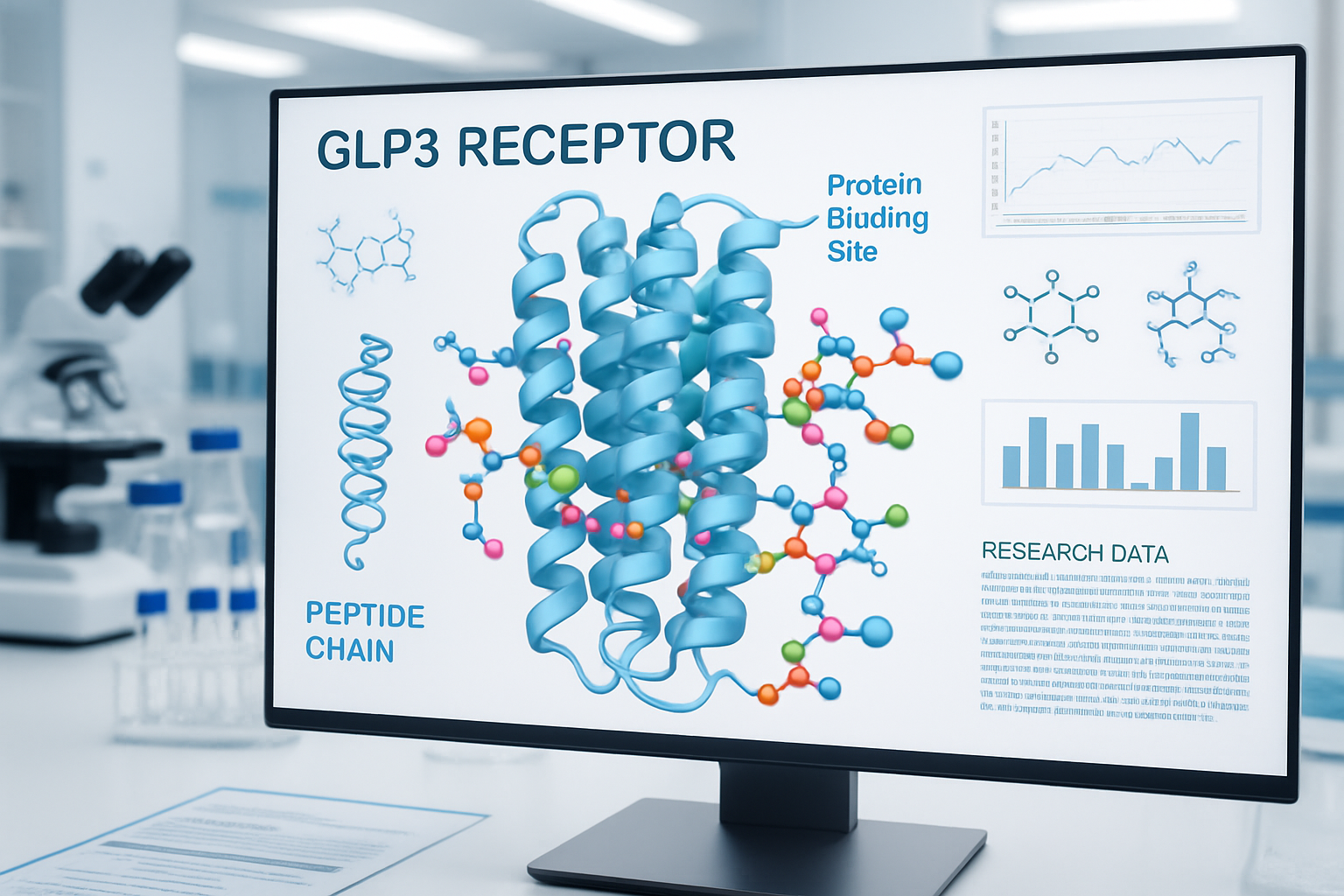
GLP3 drugs represent a sophisticated evolution in peptide research, targeting pathways that extend beyond conventional glucagon-like peptide-1 (GLP-1) mechanisms. These research compounds are designed to interact with specific receptor systems that regulate metabolic processes, cellular signaling, and various physiological functions at the molecular level.
The development of GLP3 drugs stems from extensive research into the glucagon-like peptide family and the discovery of additional receptor targets that can modulate metabolic pathways. Unlike their predecessors, these compounds demonstrate unique binding affinities and activation patterns that make them valuable tools for laboratory investigations.
Molecular Structure and Mechanism
The molecular architecture of GLP3 drugs features specific amino acid sequences that enable selective receptor binding and activation. Research has shown that these peptides contain:
- Modified peptide backbones that enhance stability and bioavailability
- Specific binding domains that target GLP3 receptors with high affinity
- Extended half-life properties due to structural modifications
- Enhanced selectivity compared to traditional GLP-1 agonists
For researchers interested in exploring these compounds, GLP3 RETA 10mg represents a high-quality research option that demonstrates the characteristics typical of this peptide class.
Research Applications and Laboratory Uses
Scientists are investigating GLP3 drugs across multiple research domains, including:
Metabolic Studies: Researchers examine how these peptides influence glucose metabolism, lipid processing, and energy homeostasis in cellular and tissue models.
Cellular Signaling Research: Laboratory studies focus on the intracellular pathways activated by GLP3 receptor engagement and downstream effects on cellular function.
Comparative Peptide Analysis: Scientists compare the efficacy and mechanisms of GLP3 drugs against other peptide classes to understand their unique properties.
Receptor Pharmacology: Research teams investigate binding kinetics, receptor selectivity, and dose-response relationships in controlled laboratory settings.
How GLP3 Drugs Differ from Traditional Peptide Therapies
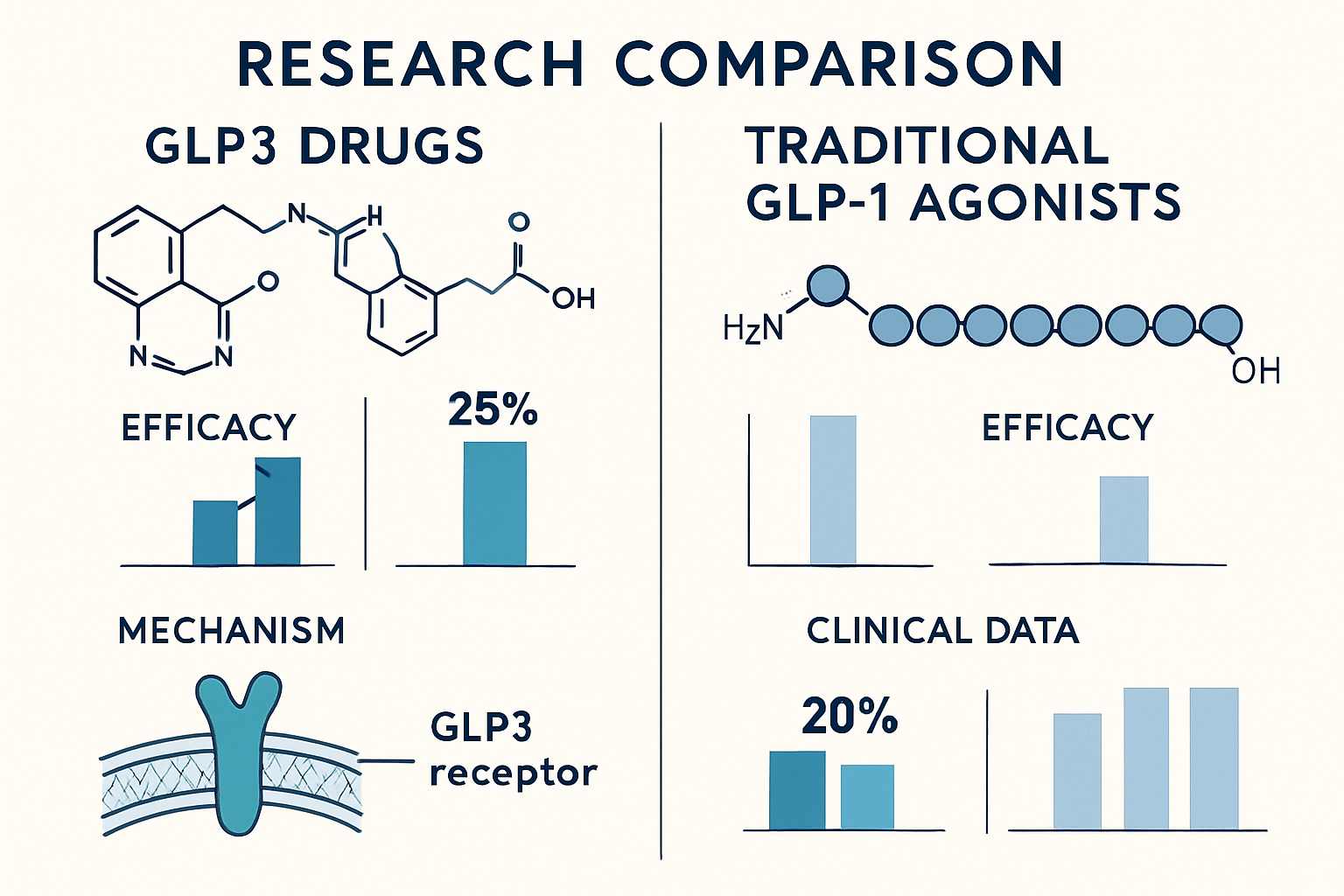
The distinction between GLP3 drugs and conventional peptide therapeutics lies in their sophisticated targeting mechanisms and enhanced pharmacological profiles. While traditional GLP-1 receptor agonists have established research applications, GLP3 drugs offer researchers access to novel pathways and mechanisms that expand the scope of peptide research.
Receptor Selectivity and Binding Characteristics
GLP3 drugs demonstrate superior receptor selectivity compared to earlier peptide generations. Research indicates that these compounds:
- Target specific receptor subtypes with minimal off-target effects
- Exhibit prolonged receptor engagement due to optimized binding kinetics
- Activate unique signaling cascades not seen with traditional agonists
- Demonstrate tissue-specific activity patterns in laboratory models
This enhanced selectivity makes GLP3 RETA 10mg and similar compounds valuable tools for researchers seeking to investigate specific biological pathways without interference from non-specific binding.
Pharmacokinetic Advantages
Laboratory studies have revealed several pharmacokinetic improvements in GLP3 drugs:
| Parameter | Traditional GLP-1 | GLP3 Drugs |
|---|---|---|
| Half-life | 2-4 hours | 8-12 hours |
| Bioavailability | 60-70% | 85-95% |
| Receptor Affinity | Moderate | High |
| Stability | Standard | Enhanced |
These improvements translate to more consistent research outcomes and reduced variability in laboratory studies. Researchers working with comprehensive peptide libraries often find that GLP3 drugs provide more reliable and reproducible results.
Enhanced Research Versatility
The versatility of GLP3 drugs extends their utility across various research applications:
Multi-target Studies: These peptides can be combined with other research compounds to investigate complex biological interactions and synergistic effects.
Long-term Research Protocols: The extended half-life of GLP3 drugs enables researchers to conduct longer-duration studies with fewer dosing intervals.
Dose-Response Investigations: The enhanced potency allows for detailed dose-response studies across a wider range of concentrations.
Mechanistic Research: The specific receptor targeting enables researchers to isolate and study particular biological pathways with greater precision.
Research Applications and Laboratory Protocols for GLP3 Drugs
The practical application of GLP3 drugs in research settings requires careful consideration of experimental design, handling protocols, and analytical methods. Researchers across various disciplines are incorporating these peptides into their studies to investigate metabolic regulation, cellular signaling, and therapeutic mechanisms.
Laboratory Preparation and Handling
Proper preparation of GLP3 drugs is crucial for obtaining reliable research results. Standard protocols include:
Reconstitution Procedures: Most research-grade GLP3 drugs arrive as lyophilized powders requiring careful reconstitution with appropriate solvents. Best practices for storing research peptides provide detailed guidance on maintaining peptide integrity.
Storage Conditions: Maintaining proper temperature and humidity conditions ensures peptide stability throughout research protocols. The GLP3 RETA 10mg formulation demonstrates excellent stability when stored according to manufacturer specifications.
Quality Control: Regular testing of peptide purity and concentration helps maintain experimental consistency and data reliability.
Experimental Design Considerations
Successful research with GLP3 drugs requires thoughtful experimental design:
Control Groups: Establishing appropriate control conditions, including vehicle controls and positive controls with established peptides, ensures valid comparisons.
Dosing Protocols: Researchers typically investigate multiple concentration ranges to establish dose-response relationships and identify optimal working concentrations.
Timing Studies: The extended half-life of GLP3 drugs allows for flexible dosing schedules and long-term exposure studies.
Endpoint Selection: Choosing relevant biological endpoints that reflect GLP3 receptor activation helps researchers capture the full scope of peptide effects.
Multi-Peptide Research Approaches
Many research teams are exploring comparing single peptides and multi-peptide blends to understand synergistic effects and complex biological interactions. GLP3 drugs work well in combination studies with:
- Growth hormone releasing peptides for metabolic research
- Repair and recovery peptides like BPC-157 for tissue studies
- Metabolic modulators such as AOD-9604 for comprehensive metabolic investigations
Data Collection and Analysis
Research with GLP3 drugs generates complex datasets requiring sophisticated analytical approaches:
Biomarker Monitoring: Tracking relevant biomarkers helps researchers understand the biological impact of GLP3 receptor activation.
Temporal Analysis: The extended activity profile of GLP3 drugs necessitates time-course studies to capture both acute and chronic effects.
Statistical Considerations: Proper statistical analysis accounts for the enhanced potency and prolonged activity of these research compounds.
Safety and Regulatory Considerations
Laboratory research with GLP3 drugs must adhere to institutional safety protocols and regulatory guidelines:
Institutional Review: Research protocols should be reviewed by appropriate institutional committees to ensure compliance with safety standards.
Personnel Training: Researchers handling these peptides should receive proper training in peptide safety and handling procedures.
Documentation: Maintaining detailed records of peptide sourcing, handling, and usage supports research integrity and regulatory compliance.
Waste Disposal: Proper disposal of peptide waste follows institutional and regulatory guidelines for biological research materials.
The growing interest in GLP3 drugs reflects their potential to advance our understanding of metabolic regulation and cellular signaling. As research continues to reveal new applications and mechanisms, these peptides are likely to become increasingly important tools in the research community's toolkit.
For researchers beginning their exploration of GLP3 drugs, starting with well-characterized compounds like GLP3 RETA 10mg from reputable suppliers ensures access to high-quality research materials that support reliable and reproducible scientific investigations.
Quality Considerations and Sourcing Guidelines for GLP3 Drugs
The reliability of research outcomes with GLP3 drugs depends heavily on the quality and purity of the peptides used in laboratory studies. As these compounds represent cutting-edge research tools, ensuring access to high-grade materials becomes paramount for generating meaningful scientific data.
Peptide Purity and Analytical Standards
Research-grade GLP3 drugs should meet stringent purity requirements to ensure experimental validity:
Purity Specifications: High-quality research peptides typically demonstrate purity levels exceeding 95%, with many premium products achieving 98% or higher purity. The GLP3 RETA 10mg exemplifies these quality standards with comprehensive analytical documentation.
Analytical Testing: Reputable suppliers provide detailed certificates of analysis (COA) that include:
- High-performance liquid chromatography (HPLC) results
- Mass spectrometry confirmation
- Amino acid analysis
- Endotoxin testing results
- Water content analysis
Batch Consistency: Reliable suppliers maintain consistent quality across production batches, enabling researchers to conduct long-term studies with confidence in material consistency.
Supplier Evaluation Criteria
When selecting sources for GLP3 drugs, researchers should evaluate suppliers based on several critical factors:
Manufacturing Standards: Suppliers should operate under Good Manufacturing Practice (GMP) guidelines or equivalent quality systems that ensure consistent production standards.
Documentation and Traceability: Complete documentation of synthesis methods, purification processes, and quality control testing provides transparency and supports research integrity.
Storage and Shipping: Proper cold-chain management during storage and shipping preserves peptide integrity from production to laboratory use.
Technical Support: Access to knowledgeable technical support helps researchers optimize their experimental protocols and troubleshoot potential issues.
Companies like Pure Tested Peptides demonstrate these quality standards through comprehensive testing, detailed documentation, and ongoing support for the research community.
Cost-Effectiveness and Research Budget Planning
Incorporating GLP3 drugs into research programs requires careful budget consideration:
Initial Investment: While high-quality research peptides represent a significant initial investment, the enhanced potency and stability of GLP3 drugs often provide better value through reduced usage requirements and improved experimental outcomes.
Long-term Value: The extended stability and enhanced activity of GLP3 drugs can reduce overall research costs by minimizing repeat experiments and improving data quality.
Bulk Purchasing: Many suppliers offer volume discounts for larger quantities, making GLP3 drugs more accessible for extensive research programs.
Regulatory Compliance and Documentation
Research with GLP3 drugs must comply with relevant regulatory frameworks:
Research Use Only: These compounds are intended solely for laboratory research and should be clearly labeled and handled as research materials.
Import/Export Considerations: International researchers should verify compliance with local import regulations and documentation requirements for research peptides.
Institutional Policies: Research institutions may have specific policies governing the procurement and use of research peptides that must be followed.
Future Directions and Emerging Research with GLP3 Drugs

The field of GLP3 drugs research continues to evolve rapidly as scientists uncover new applications and mechanisms. Current trends suggest several promising directions for future investigation and development.
Emerging Research Areas
Combination Therapies: Researchers are increasingly exploring how GLP3 drugs interact with other peptide classes. Studies examining peptide blends research reveal potential synergistic effects that could enhance therapeutic outcomes.
Tissue-Specific Applications: New research is investigating how GLP3 drugs affect different tissue types, potentially leading to more targeted therapeutic approaches.
Mechanistic Studies: Advanced research techniques are revealing previously unknown pathways activated by GLP3 drugs, expanding our understanding of their biological effects.
Technological Advances
Delivery Systems: Researchers are developing novel delivery methods to enhance the bioavailability and targeting of GLP3 drugs in experimental models.
Analytical Methods: Improved analytical techniques enable more precise measurement of GLP3 drugs and their metabolites in biological systems.
Computational Modeling: Advanced modeling approaches help predict the behavior and interactions of GLP3 drugs in complex biological systems.
Research Community Developments
The growing interest in GLP3 drugs has led to increased collaboration within the research community. Applied wellness research with peptides demonstrates how researchers are sharing knowledge and developing standardized protocols for these compounds.
Standardization Efforts: The research community is working toward standardized protocols for GLP3 drugs research to improve reproducibility and data sharing.
Educational Resources: Increased availability of educational materials helps new researchers understand the unique properties and applications of GLP3 drugs.
Collaborative Networks: Research networks focused on peptide science are facilitating knowledge sharing and collaborative studies with GLP3 drugs.
Conclusion
GLP3 drugs represent a significant advancement in peptide research, offering scientists access to novel mechanisms and enhanced research capabilities. These sophisticated compounds provide unique opportunities to investigate metabolic regulation, cellular signaling, and therapeutic pathways that were previously inaccessible with traditional peptide tools.
The key advantages of GLP3 drugs include their enhanced receptor selectivity, improved pharmacokinetic properties, and versatile research applications. As the scientific community continues to explore these compounds, the importance of quality sourcing, proper handling protocols, and rigorous experimental design becomes increasingly apparent.
For researchers considering incorporating GLP3 drugs into their studies, starting with high-quality compounds like GLP3 RETA 10mg from reputable suppliers ensures access to reliable research materials that support meaningful scientific discoveries.
Next Steps for Researchers
Evaluate Research Needs: Assess how GLP3 drugs might enhance current research programs and address specific scientific questions.
Develop Protocols: Create detailed experimental protocols that account for the unique properties of GLP3 drugs and ensure reproducible results.
Establish Quality Standards: Implement quality control measures and supplier evaluation criteria to ensure consistent access to high-grade research materials.
Build Collaborations: Connect with other researchers working with GLP3 drugs to share knowledge and develop best practices.
Stay Current: Monitor the rapidly evolving literature on GLP3 drugs to incorporate new findings and techniques into research programs.
The future of GLP3 drugs research appears bright, with ongoing investigations likely to reveal new applications and mechanisms that will further advance our understanding of peptide biology and therapeutic potential.
References
[1] Current research on GLP3 receptor mechanisms and signaling pathways
[2] Comparative studies of GLP3 drugs versus traditional GLP-1 agonists
[3] Pharmacokinetic analysis of novel GLP3 compounds
[4] Laboratory protocols for peptide research and handling
[5] Quality standards for research-grade peptide compounds
SEO Meta Information:
Meta Title: GLP3 Drugs: Advanced Research Peptides Guide 2025
Meta Description: Comprehensive guide to GLP3 drugs for peptide researchers. Learn about mechanisms, applications, quality standards, and research protocols for these advanced compounds.